
The Belonging Gap
Two questions that will change how you think about retention — in any industry
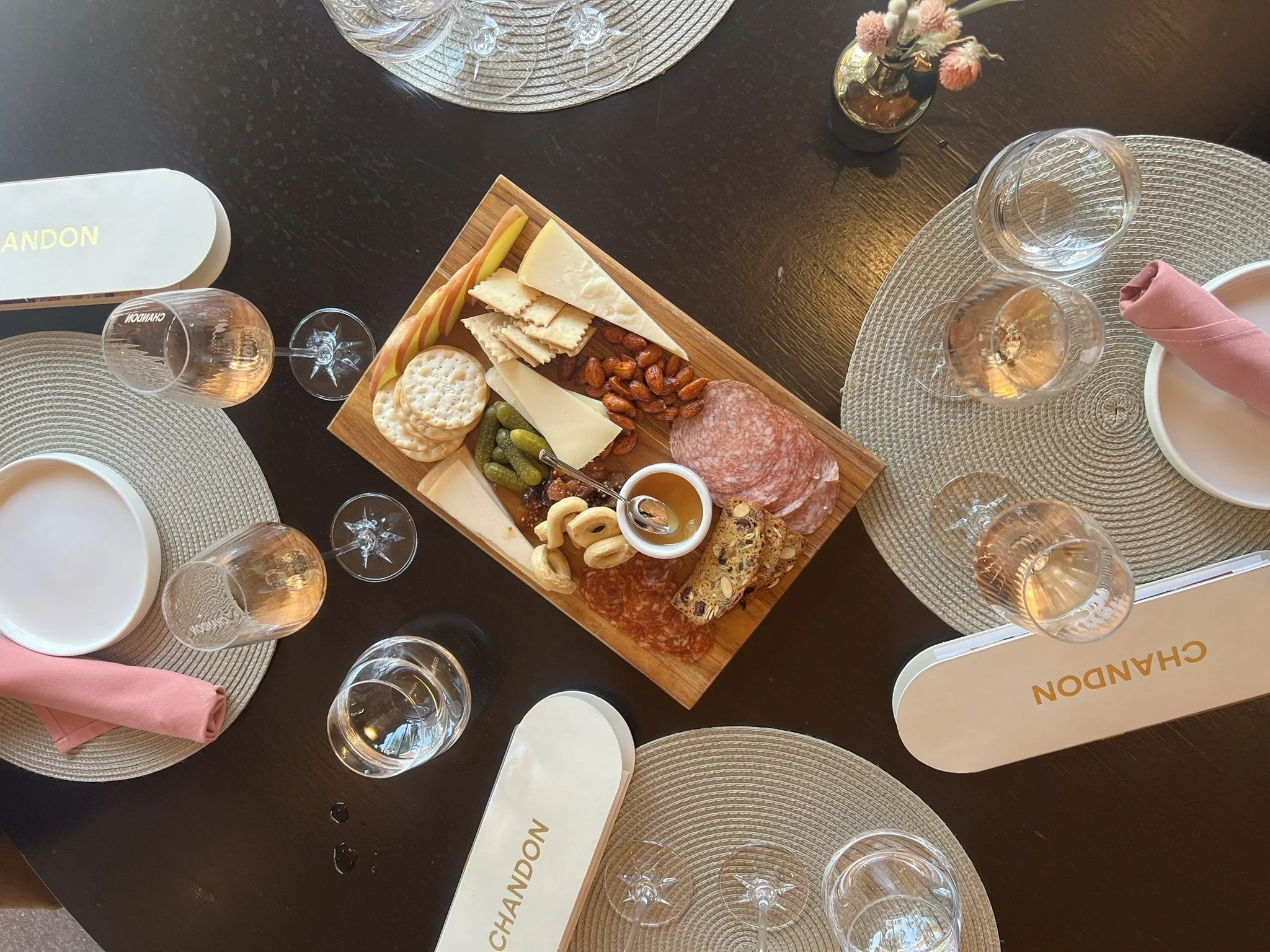
Sitting at a winery one afternoon (you were a delight, Chandon), we started mapping out the same problems we kept seeing across two of our main client verticals, wineries and nonprofits. Wine clubs are losing members they worked hard to acquire. Nonprofits are losing donors after the first gift. The mechanics differ but the psychology doesn't.
Both organizations are selling the thing when their customers are looking for belonging.
The moment that creates a member
Think about how most wine club members actually sign up. A once-in-a-lifetime trip to Napa. A local tasting room on a Saturday afternoon. A winemaker who made you feel like an insider for an hour. You hand over your credit card in that moment not because you necessarily need more wine, but because you want more of that feeling. And then the first shipment arrives. A note from the winemaker about brix levels and late-harvest decisions. If you don't already know what brix means, you're starting to feel out. The thing that was supposed to reinforce the connection instead makes you feel like you were never quite in it.
The same thing happens in nonprofits. The North Carolina floods. The LA wildfires. Something moves you to donate. A news cycle, a friend who shared a link, a moment that made you feel like you had to do something. You give. The organization sends a donation receipt, maybe an ask for ongoing donations, and then a letter from the president. If it's good, the letter is warm and specific. If it's not, it reads like a press release with your name mail-merged into the salutation. Either way, the follow-up rarely matches the moment that created you as a donor.
Both organizations are forcing transactions during a belonging moment.
What belonging looks like
A crisis donor gives because something happened. A retained donor gives because they believe in the organization's ability to make something happen regardless of what's in the news cycle. A wine club member signs up because of a moment. A retained member stays because they feel like they’re actually part of something.
In both cases, the organization's job is the same: connect someone to a theory of change, a craft, a worldview. Something bigger than the transaction that brought them in.
For a winery, that can look like giving members the tools to recreate the tasting room at home. The cheese pairing, the right glass, tasting notes and a printable card for the night they open the bottle with friends. An invitation to keep living with the feeling they fell in love with.
For a nonprofit, it looks like a story with a name in it. A real family, a real outcome, a real metric tied to what that donor gave. Or an email that says: here's what's happening in your area right now, and here's something you can actually do about it. Something that makes them feel like a participant in the cause rather than just a funding source.
Meaning, belonging and purpose can sound like soft concepts but they're the retention levers that transaction and discount tactics can't touch.
Two things you can do today to check for your belonging moments
Audit your welcome journey
Pull the first email or sequence you send a new member or donor. Read it as someone who just had their belonging moment. Does it reinforce that feeling or does it push an immediate purchase or assume fluency they don't have?
The test: could someone who signed up at a tasting room or after a news cycle read this and feel more included or would they feel like the person who waved back at a stranger who was actually waving at someone else? (Wait, was that for me?)
By restructuring welcome series around long-term member value, we’ve seen recurring revenue lifts of 34%+.
Count your location-dependent touchpoints
Map your retention calendar and flag every touchpoint that requires someone to be local. Then ask the harder question: are you creating the same degree of connection for the person who lives 2 blocks away as the one who's 200 miles out?
If this sparked something, a pattern you're seeing in your own work, a question you haven't been able to answer yet, that's exactly what our Pin Drop lunch breaks are for. Join us at the next Pin Drop or if you'd rather talk through what this looks like for your organization specifically, let's talk.
Make it stand out
Whatever it is, the way you tell your story online can make all the difference.